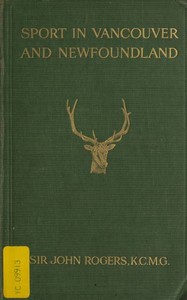
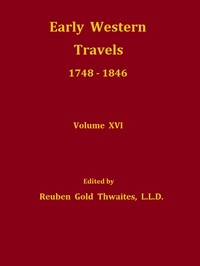
About 29 minutes
Great Smoky Mountains National Park — A Reader’s Guide
Geography
6,598 recorded words. Selected by the catalog's stored reading-time estimate.
View Gutenberg source #71447
Explore this collection
Three of the shortest recorded reading commitments in this catalog. Times are estimates, not quality ratings.
About 29 minutes
Geography
6,598 recorded words. Selected by the catalog's stored reading-time estimate.
View Gutenberg source #71447About 31 minutes
Geography
7,076 recorded words. Selected by the catalog's stored reading-time estimate.
View Gutenberg source #74378About 76 minutes
Places Peoples
17,271 recorded words. Selected by the catalog's stored reading-time estimate.
View Gutenberg source #43394Search stored excerpts and compare books → Choose by your preferences →
Choices use stored catalog measurements. Estimates vary with reading speed. A shared category is a catalog label, not a claim that two books have the same argument or literary quality.
Search reads excerpt text stored with this catalog and links to its associated Gutenberg record. The connection is stored in the site database; this tool does not recheck that every excerpt is word-for-word identical to that external record. Excerpt search does not cover every chapter and does not verify historical publication dates.
Catalog snapshot checked: 2026-09-25. Coverage: 94 public books, 94 available source excerpts.
Independent digital catalogue
This catalogue maps connections between travel writing, geography, exploration, and accounts of places and peoples. Its 94 public-domain works span four overlapping categories, each offering a different lens on the same core material: narratives of movement and encounter. The Geography category emphasizes regional descriptions and scientific observation, while Exploration highlights expeditions into unmapped territory. Travel Narratives foreground the personal journey, and Places Peoples Catalogue maintenance uses source records and bibliographic context. Because categories overlap, a single work may appear in more than one, reflecting its multiple facets. Practical reading paths help you enter the collection—for example, following the American West through three contrasting accounts, or tracing expeditionary science from the Rockies to Patagonia. The catalogue records each work's source, publication context, and scope, leaving interpretation to you.
Subject gateways
Browse the archive by subject, historical period, or type of source.
A focused group of public-domain works connected by subject, literary setting and recurring questions.
A focused group of public-domain works connected by subject, literary setting and recurring questions.
A focused group of public-domain works connected by subject, literary setting and recurring questions.
A focused group of public-domain works connected by subject, literary setting and recurring questions.
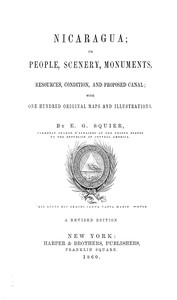
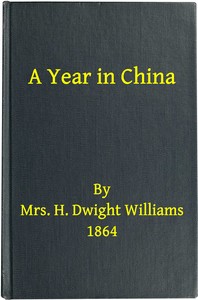
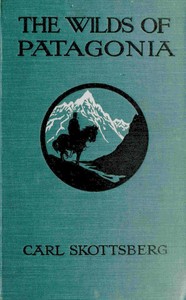
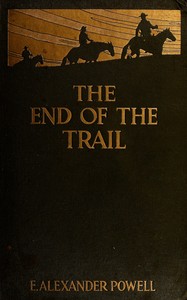
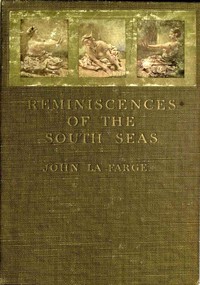
About these records
How the collection is organized, presented and corrected.
It generally means that the represented source text is no longer protected by copyright in the applicable jurisdiction or has been released for public use. Status may vary by country and edition.
A record may include the title, author, category, cover, description, edition information, source references and available reading or download options.
A category reflects a work’s principal subjects, literary setting, source type and relationship to nearby records in the collection.
The catalogue adds navigation, metadata and editorial context. The represented source text retains its wording, edition information and rights status.
Use the contact page and include the work title, page address and the exact attribution, category, metadata or source detail requiring attention.
Catalogue stewardship
Catalogue information
LEAOP Catalogue manages the structure of the digital library, which includes 94 books by 123 authors across 4 categories.
Catalogue explorer
Browse existing collections, books and author records through several catalogue routes.