
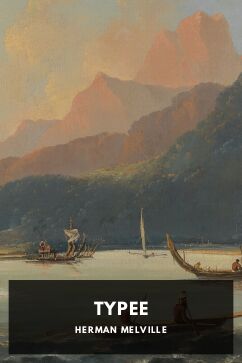
Typee - Herman Melville
Herman Melville is famous for the epic Moby-Dick, but his first book, Typee, is where his incredible storytelling journey begins. And it's based on his own wild experiences!
The Story
We follow Tommo, a young sailor on a whaling ship in the Marquesas Islands. The work is miserable, the captain is cruel, and Tommo has had enough. He and his shipmate, Toby, make a run for it. They escape into the jungle-covered mountains, desperate and starving. After a brutal trek, they stumble into a valley and are taken in by the Typee tribe.
At first, it seems like a dream. The Typee are welcoming, the food is plentiful, and the scenery is stunning. Tommo's injured leg is cared for. But slowly, doubts creep in. He hears whispers that the Typees are cannibals. Are their gifts and kindness genuine, or is he just a guest waiting for the dinner table? The constant, low-grade fear of not knowing their true intentions becomes the heart of the story. Where is Toby? Can he trust anyone? The lush paradise starts to feel like a beautiful cage.
Why You Should Read It
What grabbed me wasn't just the 'are-they-or-aren't-they' suspense (which is fantastic). It's how Melville, through Tommo's eyes, wrestles with his own prejudices. Here's this 'civilized' man living with so-called 'savages,' and he's constantly surprised. He sees their complex society, their humor, and their kindness, but he can't shake the fear planted by other sailors' stories. The book becomes a mirror. Who is more savage: the tribal warrior or the violent whaling captain Tommo fled from?
Melville's descriptions of the island life are vivid and immersive. You can feel the humidity, see the tattoos, and smell the feast. You get pulled into Tommo's confusion, his moments of peace, and his rising panic. It's a raw, early look at the themes Melville would master later: obsession, the unknown, and man's place in the world.
Final Verdict
Don't go into Typee expecting Moby-Dick. This is a tighter, faster-paced adventure with a sharp, questioning mind behind it. It's perfect for anyone who loves a classic survival story with a psychological twist, or for readers curious about first-contact narratives from a different era. If you enjoy travelogues, historical adventures, or just a really good story that makes you think, give this one a try. It's a thrilling and surprisingly thoughtful escape into a world that's beautiful, terrifying, and utterly unforgettable.
No rights are reserved for this publication. Thank you for supporting open literature.
Jessica Clark
1 year agoFast paced, good book.
Noah Sanchez
4 months agoCitation worthy content.
Sandra Taylor
7 months agoBeautifully written.
Joshua White
6 months agoSimply put, the clarity of the writing makes this accessible. One of the best books I've read this year.




Kevin Hernandez
10 months agoAs someone who reads a lot, the plot twists are genuinely surprising. Highly recommended.