
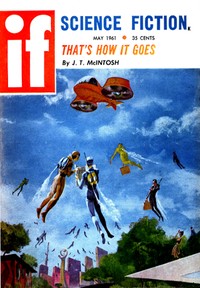
The Useless Bugbreeders by James Stamers
So, I picked up The Useless Bugbreeders expecting… I don’t know, maybe a fun sci-fi thing about giant insects. What I got instead was a surprisingly twisty story about the weird, forgotten edges of science—and it’s stickier than a flytrap.
The Story
Our main character is Marcus, a former entomologist kicked out of academia because his research was deemed ‘pointless.’ He studies bugs that don’t do anything: non-pollinating, nonsocial, unattractive little critters. Then, a journalist named Lina shows up at his door. She’s heard about weird vaults under an old natural history museum—vaults filled with these same ‘useless’ bugs. But all of them are dead, and all of them came from different time periods. Think a cockroach from the Permian era mixed with a moth from 50 years ago, all moldering in a basement that shouldn’t exist. As they dig in, they discover someone has been quietly destroying evidence of these bugs for a century. It feels like a conspiracy built on neglect—until they realize the bugs might share a strange ability: when kept alive, they seem to bend calendars or timeframes in a room. Obviously, the people who want to keep things ‘useful’ are not happy about that.
Why You Should Read It
Honestly, Stamers won me over with his curiosity. The book takes you into this rabbit hole of what is considered ‘important’ work. Marcus is such a loveable loser, and Lina’s dogged, cynical approach balances him out. Do the science parts check out? Probably not 100%, but it feels solid enough. I loved how the fear didn’t come from a giant boss monster—it came from board rooms and old papers.
The tone struck me too: sharp and funny, but with a melancholy undercurrent. Stamers seems genuinely sad about how modern funding cuts value ‘productivity’ over discovery. Characters who are considered oddballs or failures in their world end up being the only ones who can save the day, which always score points with me.
Final Verdict
This is not a bombastic thriller. It’s smart and cozy—like a polite, thoughtful roommate who occasionally drops wild trivia. If you enjoyed sharp, character-rich mysteries or loved Marguerite the Librarian vibes with less voodoo—this is for you. It’s also genuinely inspiring, in an odd way, about being useless but priceless.
Grab a copy and a mothy-looking scarf, and read it curled up on a rainy weekend. You won’t be expecting the ending—and I’d say that’s a very good thing.
This historical work is free of copyright protections. Distribute this work to help spread literacy.
Emily Wilson
5 months agoHaving explored several resources on this, I find that the author clearly has a deep mastery of the subject matter. I'll be recommending this to my students and colleagues alike.
Christopher Williams
5 months agoOne of the most comprehensive guides I've read this year.