
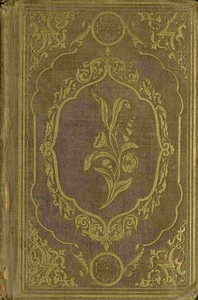
The language of flowers : The floral offering ; a token of affection and…
Henrietta Dumont's The Language of Flowers isn't a story in the traditional sense. Published in the 1850s, it's a practical guide to floriography—the Victorian-era practice of using flowers to send secret messages. The book is structured like a dictionary or an encyclopedia. It lists hundreds of flowers, plants, and herbs, each paired with a specific meaning or sentiment.
The Story
There's no plot with characters, but there is a narrative of social customs. The book explains the 'rules' of this floral language. It shows readers how to assemble a tussie-mussie (a small, tight bouquet) where the choice, arrangement, and even how the flowers were handed over (bloom up or down?) all conveyed precise feelings. One section might list flowers for love and courtship, while another covers flowers for friendship, grief, or even disapproval. It provides sample bouquets for occasions like an apology or a declaration of ardent love. The 'story' is the hidden emotional landscape of the 19th century, played out in gardens and parlors.
Why You Should Read It
I picked this up out of curiosity and found it utterly delightful. It’s a direct line to how people thought and felt 170 years ago. The meanings range from the sweet (lavender for devotion) to the surprisingly sharp (basil for hatred, or a withered white rose for 'you made no impression'). It’s easy to imagine the anxiety and hope tied to giving or receiving flowers. This book makes history feel personal and emotional, not just a list of dates. It’s also just fun. You can flip to any page and learn something quirky, like that giving someone an almond meant you were making a promise, or that a gift of ivy signaled you wanted to get married.
Final Verdict
This is a perfect read for history lovers who enjoy social history over military battles, for gardeners with a romantic streak, or for anyone who loves trivia about bygone customs. It’s not a page-turning thriller, but a book to dip into and savor. If you've ever enjoyed the symbolic flower moments in shows like Bridgerton, this is the real, historical source material. Keep it on your shelf or coffee table—it’s a charming conversation starter that reminds us that communication has always been an art.
This content is free to share and distribute. It serves as a testament to our shared literary heritage.
Steven Wilson
3 months agoVery interesting perspective.
Noah Garcia
7 months agoPerfect.
Mark Robinson
3 months agoAs someone who reads a lot, it provides a comprehensive overview perfect for everyone. I would gladly recommend this title.
Anthony Jackson
1 year agoAs someone who reads a lot, the flow of the text seems very fluid. Thanks for sharing this review.





Brian Robinson
9 months agoWow.