
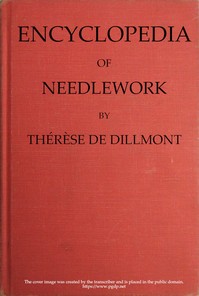
Encyclopedia of Needlework by Thérèse de Dillmont
Let's be clear from the start: This is not a storybook. There are no characters, no plot twists, and no final chapter. Instead, Thérèse de Dillmont's Encyclopedia of Needlework is something else entirely—a door. Published in 1884, it's a single volume that aims to hold everything a person (mostly women, at the time) might need to know about working with thread, yarn, and fabric.
The Story
There isn't a narrative, but there is a mission. Dillmont, a celebrated needlework artist and teacher, systematically documents hundreds of techniques. She starts with the absolute basics—how to hold a needle, different types of stitches—and builds into incredibly complex disciplines like tatting, netting, embroidery, knitting, crochet, and lace-making. Each section is packed with clear instructions and, in the best editions, beautifully detailed illustrations. The 'story' is one of preservation. She was capturing a whole world of domestic art and technical skill in one definitive guide, right at a moment when the Industrial Revolution was starting to change how people lived and made things.
Why You Should Read It
I picked this up out of curiosity as a casual knitter, and it completely changed my perspective. First, it's humbling. The scope of knowledge expected of an average homemaker is astounding. Second, it's weirdly inspiring. Seeing a problem—a torn curtain, a bare table—solved not with a credit card but with skill and patience is a powerful antidote to our throwaway culture. The illustrations alone are a joy; they're like maps to forgotten countries of craft. It makes you slow down and appreciate the intelligence in every loop and knot.
Final Verdict
This book is a niche passion, but what a wonderful niche! It's perfect for history lovers who want to understand daily life in the 19th century, not just wars and politics. It's a goldmine for modern crafters and artists looking for authentic historical patterns or techniques that have fallen out of fashion. And honestly, it's for anyone who finds beauty in meticulous, practical knowledge. You don't have to make a doily to appreciate the genius of the person who designed it. Keep it on your shelf, dip into it now and then, and let it remind you of the quiet, thread-bound revolutions that happened in parlors and sitting rooms across the world.
This masterpiece is free from copyright limitations. It is now common property for all to enjoy.
Lucas Clark
2 years agoAmazing book.



Dorothy Clark
3 months agoI had low expectations initially, however the character development leaves a lasting impact. Worth every second.