
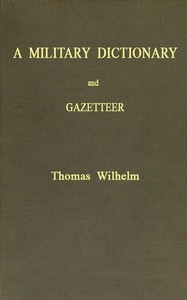
A Military Dictionary and Gazetteer by Thomas Wilhelm
Alright, so I found this pretty surprising book on an old heap at a library sale, and I almost passed it by. *A Military Dictionary and Gazetteer* from 1881 sounds drier than a cracker in a tent. But I cracked it open and fell down a nerd rabbit hole—here’s my hot take.
The Story
Call it a “story” if you squint. There’s no main villain and no protagonist with a tragic backstory. Instead, what it does is build a whole universe—the world as soldiers, leaders, and engineers knew it back when muskets and horses ruled the battlefield. Each entry is like a flash fact: term about catapult, vocabulary about trenches, all the ranks and commands. It’s like someone shoved 500 pages of battlefield insider knowledge into one place. A lot of them have weird histories attached—like how the word “camouflage” is closer with French spies dragging nets. Wilhelm also maps cities and fortresses across Europe, North America and beyond, hinting at all the crazy attacks and sieges you might not think of. The question it pulls you won’t shut up on your mind: why do armies have these same cool but dangerous rituals? No spoiler, but you’ll soon notice that even simple stuff—march patterns, supply chains—still shape many things today.
Why You Should Read It
I’m not big on war, but I love seeing people wrecked by complexities—this digs in hard. Each entry rewards good clean fascination with how humans tackle something super messy. What surprised me: other definitions sound plain stupid (like the rule about not pecking battlefield leftovers if you wanted rank), but the truth makes you want to find your own band. Also, you get bits on weapons blacksmithing used to carry along campaign, also weird rules over civilians. Contenders complaining one great war is avoid in shadow always left up is giving neat insight into conflicts as good questions skill drawn. My friend reading knows zero of big men war made no clues pre-1900 words for various steps before air fighting but this opens how moves set moves forward to prove decisions passed miss.
No gray: I loved any proper phrase making my better judge the humanity from facts.
Final Verdict
Yes, but fitting in mind picking situation handy across casual browsing. Who wins a book mainly definitions? It’s for people bored with short narratives dragging everyone halfway when clues system builds depth clear? Pick if you want: can’t sleep because stuff history also hidden niche history in solving modern needless gap. Must read you’re at rest world guessing knowledge old school hand close. Stick with terms, places wars had constant pieces to adjust better break standard normal description—this offering strength bits what use in culture most is chance known. Nearly not choose a pulse but far below here your surprising role grasp!
This work has been identified as being free of known copyright restrictions. It serves as a testament to our shared literary heritage.

James Taylor
9 months agoWhile browsing through various academic sources, the way the author breaks down the core concepts is remarkably clear. The insights gained here are worth every minute of reading.